Crackstube The internet is full of unusual names that can mean very different things depending on where you encounter them. is one of those terms. A quick search can produce mixed results, which makes it difficult for readers to understand whether they are looking at a publishing website, a media-related platform, or an unrelated site using a similar name.
That confusion is important because a keyword does not always identify one single website or service. Search results can combine different domains, old pages, copied references, and websites using similar branding. Current search results for show this exact problem, with some sources describing .com as a multi-category publishing platform while other pages associate the term with unofficial media or adult-content websites.
For that reason, the best way to understand crackstube is to look at the context, the exact domain, and what a website actually provides instead of relying only on its name. This article breaks down the term, explains why it creates confusion, and shares practical points readers should consider before interacting with unfamiliar websites.
What Does Crackstube Mean?
There is no universally accepted definition of crackstube across the internet. The word appears to be used in different ways, and several websites currently use similar branding. Some describe as a digital publishing platform covering subjects such as technology, business, finance, education, healthcare, and lifestyle.
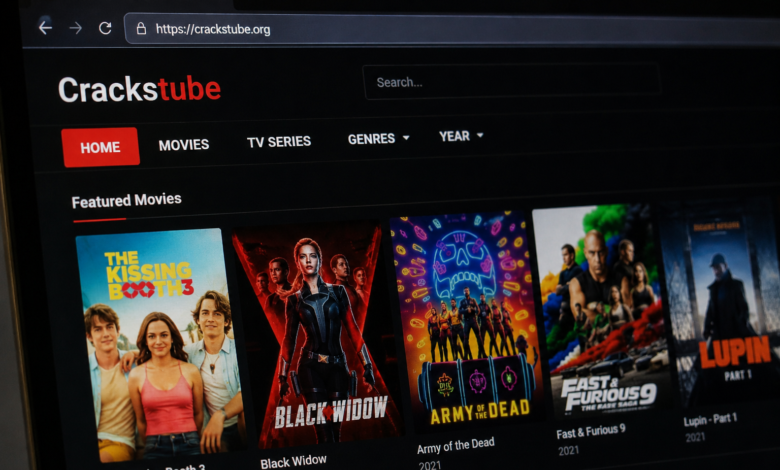
At the same time, other websites use the term in connection with unofficial media, cracked software, or adult-oriented content. Because these descriptions conflict, assuming that every result carrying the word belongs to the same service can be misleading.
This is one reason search intent matters. Someone searching for crackstube may simply want to understand the name, while another person could be looking for a specific website they saw elsewhere. Those are two different needs, and the safest approach is to identify the exact website before deciding whether its content or services are trustworthy.
Why Is So Confusing Online?
The unusual wording of Crackstube naturally creates assumptions. The word “crack” is commonly associated with software that has had licensing restrictions bypassed, while “tube” is frequently connected with online video platforms. Put together, the name can easily lead users toward a particular interpretation even when an individual website has nothing to do with that subject.
Search engines can make the situation even more complicated. Different domains may publish pages targeting the same keyword, and those pages can describe the term in completely different ways. Current results include websites presenting CracksTube as an article-based publishing platform as well as pages describing other interpretations.
That means readers should avoid judging a site simply because its name sounds familiar. A professional-looking logo, an SSL certificate, or a familiar keyword does not automatically prove who operates a website. Checking the domain, about page, contact information, privacy policy, and actual content gives a much clearer picture.
Crackstube as a Digital Publishing Platform
One current interpretation of crackstube is connected with com, which presents itself as a multi-category digital publication. Its public material covers areas including technology, business, professional services, home improvement, healthcare, finance, and other informational subjects.
This type of website is different from a conventional streaming service. Instead of making movies or videos the central product, a publishing platform focuses on written articles, guides, explainers, and industry-related information. Readers typically browse categories and individual posts rather than looking for downloadable media.
The distinction is worth making because several unrelated websites can use similar names. If a reader is specifically researching CracksTube as a publishing platform, the content structure and domain should be examined rather than relying on third-party descriptions. A website that publishes articles about finance and technology should not automatically be confused with a site offering downloads simply because the keyword is similar.
What Kind of Content Can Readers Find?
On publishing-focused websites associated with the name, content can cover a surprisingly broad range of subjects. Technology articles may discuss software, digital trends, artificial intelligence, cybersecurity, or emerging tools. Business sections can focus on entrepreneurship, marketing, financial planning, or professional services.
Other categories can appeal to readers with practical interests. Home improvement, education, healthcare, lifestyle, and finance are examples of topics appearing in current CracksTube-related publishing descriptions.
That broad structure makes the platform closer to a digital magazine or content hub than a specialist publication. For readers, the advantage is variety. The downside is that article quality can vary across contributors, so individual pages should still be evaluated on their own merits.
How Should You Evaluate a Website?
Before using any website connected with crackstube, start by checking the exact domain. Similar names do not guarantee the same ownership, editorial standards, or security practices. A small difference in spelling, domain extension, or URL can lead to an entirely different website.
Next, look at the site’s basic information. A legitimate publication should normally provide some combination of contact details, editorial information, privacy terms, and identifiable website ownership. These details do not guarantee that every article is accurate, but their absence can make a site much harder to evaluate.
It is also worth examining the behavior of the page itself. Excessive redirects, unexpected download prompts, aggressive pop-ups, fake browser warnings, or requests for unnecessary personal information are reasons to stop and reconsider. A website does not become trustworthy simply because it appears in a search engine.
Is Crackstube Safe to Visit?
There is no single yes-or-no answer because the term can refer to different websites. Safety depends on the specific domain and what that domain actually provides. Current search results show that websites using the term are not all describing the same type of service.
For a normal article-based publication, reading publicly available pages is generally a different situation from downloading unknown software or interacting with suspicious third-party advertisements. The risk profile changes significantly when a site asks visitors to install files, disable security protections, or enter sensitive information.
A simple rule works well: treat unfamiliar websites cautiously until you have verified what they are. Keep your browser and operating system updated, use reputable security software, and never install a file merely because a webpage claims it is required to continue.
What About Downloads and Cracked Software?
The word crackstube can sometimes appear in search results alongside discussions about cracked software or unauthorized media. That association should not be treated as proof that every website using the term distributes such material.
Cracked software carries particular risks because modified installers can contain unwanted programs, spyware, credential-stealing malware, or other harmful components. Even when a download appears to work correctly, the user may have no reliable way to know what was changed inside the original application.
For that reason, legitimate software sources are a much better option. Free and open-source applications can often provide similar functionality without requiring users to rely on modified installers. Official developer websites and established software repositories also make it easier to verify where an application came from.
Why Exact Domains Matter
One of the biggest lessons from the crackstube search landscape is the importance of checking the exact URL. Search engines do not guarantee that every result represents the official version of a brand or keyword. Third-party pages can rank for the same term and sometimes present information that has little connection to the original site.
A domain should therefore be treated as an identity marker. Before entering an email address, creating an account, downloading a file, or making a payment, confirm that you are dealing with the website you intended to visit.
This habit is useful far beyond this particular keyword. The same technique applies to online stores, banking websites, software downloads, social networks, and subscription services. A few seconds spent checking the address bar can prevent much bigger problems later.
How Search Engines Create Mixed Results
Search engines organize information based on many signals, including words appearing on pages, links between websites, user behavior, and the overall relevance of content. When several unrelated websites target the same keyword, their pages can appear together.
That seems to be part of the reason crackstube produces such varied results. Some current pages describe the keyword as a publishing concept, while others connect it with piracy, unofficial streaming, or adult material.
The lesson is simple: a search result is not the same thing as verification. Users should read the page, inspect the domain, and compare information when the subject involves security, payments, downloads, or personal data.
Crackstube and Online Publishing Trends
The publishing interpretation of also reflects a larger trend in online media. Multi-category websites have become common because they can attract readers from different search interests rather than depending on one narrow subject.
For contributors, such platforms may offer opportunities to publish articles or guest posts. Some current third-party listings describe CracksTube.com as accepting original articles across areas such as technology, AI, gaming, digital marketing, business, finance, education, health, lifestyle, and home improvement.
However, writers should judge a publishing opportunity by more than the promise of a backlink. Editorial quality, transparency, audience relevance, content standards, and the site’s overall reputation matter much more for long-term value than simply getting an article published.
What Should Readers Remember?
The main takeaway is that is a confusing search term rather than a label that can safely be assigned one universal meaning. Different websites use similar terminology, and their purposes can be completely different.
If you encounter a CracksTube-branded publishing website, evaluate it based on its actual content and domain. If you encounter a site offering downloads, streaming, or other services under the same name, do not assume that it is connected to the publishing platform.
Most importantly, avoid making decisions based solely on a keyword. The internet changes quickly, domains can change ownership, and lookalike websites can appear at any time. Checking the exact URL and evaluating the site’s behavior remains one of the simplest ways to browse more safely.
Final Thoughts
Crackstube is a good example of why internet terminology can be surprisingly difficult to interpret. The same keyword can lead users toward very different websites, descriptions, and expectations. Current results show a clear split between publishing-focused interpretations and unrelated sites connecting the term with unofficial media or other content.
For readers, the smartest approach is straightforward: identify the exact domain, understand what the site actually offers, and check for basic signs of legitimacy before interacting with it. Never assume that a familiar-looking name means a website is automatically safe.
In the end, is less about one universally defined service and more about how confusing online branding and search results can become. A little verification goes a long way, especially when a website involves downloads, personal information, payments, or unfamiliar third-party content.
You May Also Read