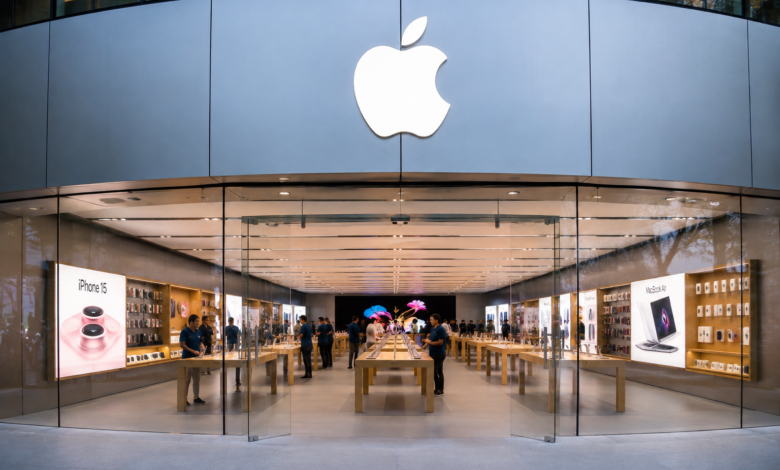
Apple Store is more than a place to buy an iPhone or pick up a Mac. For many customers, it has become a central part of the Apple experience, combining product shopping, technical support, accessories, repairs, and personal assistance under one roof. Whether someone is buying their first Apple device or upgrading equipment they have used for years, knowing how the store works can make the experience much easier.
Apple has built its retail approach around simplicity. Products are usually displayed so customers can try them before making a decision, while employees can help with setup, purchases, and technical questions. The experience can be especially useful for people who are unsure which device fits their needs.
At the same time, shopping at an Apple Store does not always mean walking into a physical location. Apple also operates an online store where customers can compare products, configure devices, check availability, arrange delivery, and explore financing or trade-in options where offered. That combination gives shoppers several ways to interact with the brand.
What Is the Apple Store
The Apple Store is Apple’s official retail channel for its hardware, accessories, and selected services. Physical locations are designed as customer-focused spaces where people can explore products, receive assistance, and get support.
Unlike a traditional electronics retailer where dozens of competing brands may share the same shelves, Apple stores focus primarily on Apple’s own ecosystem. That makes it easier for customers who already use Apple products and want accessories or devices that work together.
The stores also serve an important educational purpose. Customers can ask questions about software, device compatibility, setup, and everyday use rather than relying entirely on product specifications. For beginners, that human interaction can be surprisingly valuable.
Shopping for an iPhone
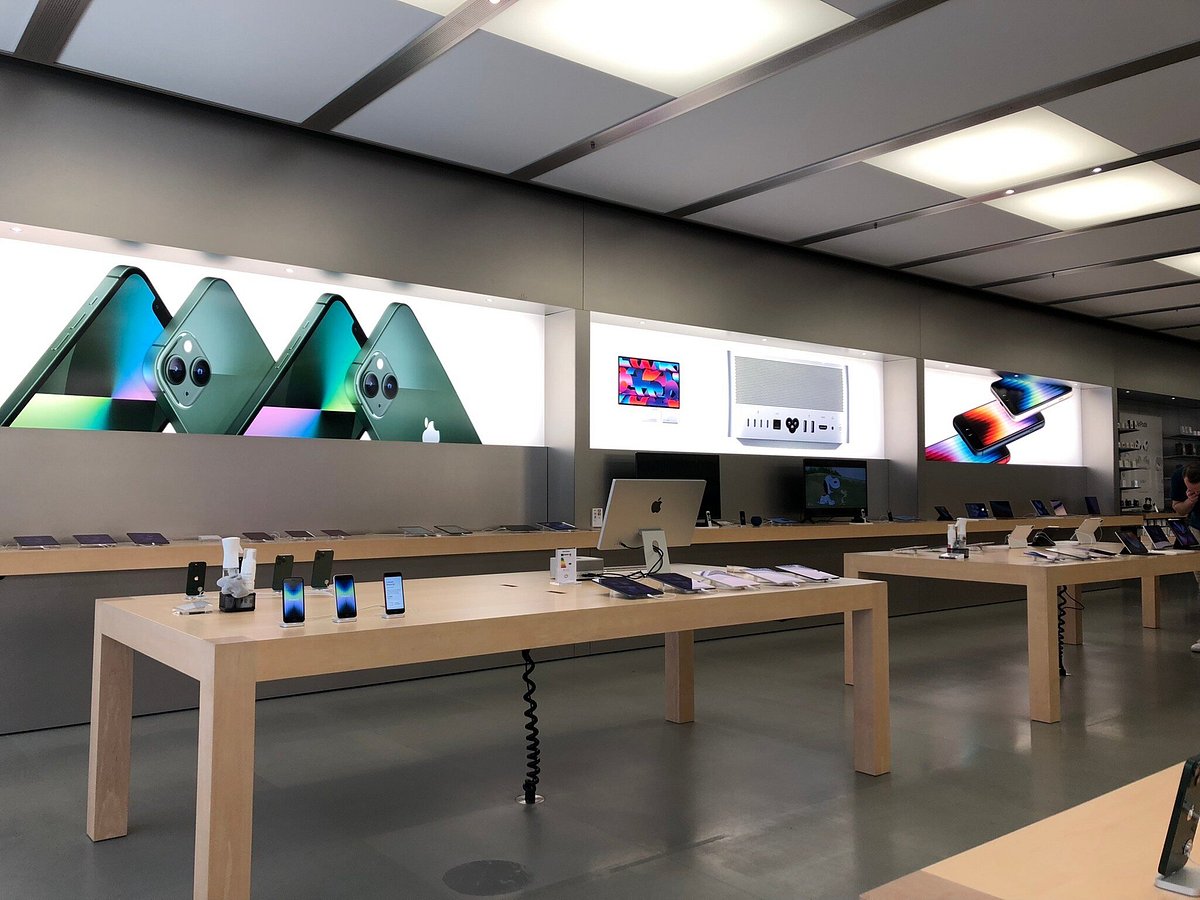
For many visitors, buying an iPhone is the main reason to visit an Apple Store. Customers can compare different models, examine screen sizes, test cameras, and explore colors and storage configurations before committing to a purchase.
The physical experience matters because specifications do not always tell the complete story. Two phones can have similar technical capabilities while feeling quite different in the hand. Trying them side by side can help customers make a more confident decision.
Apple also typically provides opportunities to trade in eligible older devices, depending on the market and current program terms. Trade-in value can reduce the cost of an upgrade, although customers should compare the offered value with alternatives before making a final decision.
Buying a Mac at the Apple Store
Mac buyers often have more configuration choices to consider than iPhone shoppers. Depending on the model, customers may need to choose memory, storage, processor options, screen size, and other specifications.
That is where in-store assistance can become useful. Someone buying a Mac for everyday browsing has very different requirements from a professional working with video, photography, software development, or large creative projects.
The Apple Store can also be useful for comparing laptops and desktops in person. Screen quality, keyboard feel, portability, and physical size are difficult to evaluate from a product page alone.
iPad and Other Apple Devices
The iPad lineup covers a wide range of users. Some people want a lightweight tablet for reading and entertainment, while others use an iPad as a laptop alternative or creative workstation.
Visiting a store can help customers compare screen sizes and accessories such as keyboards and Apple Pencil models. Compatibility is particularly important because not every accessory works with every iPad generation.
Apple also sells products such as the Apple Watch, AirPods, and other accessories. Seeing these devices together can help customers understand how they fit into the broader ecosystem.
Accessories Available in the Apple Store
A major advantage of buying accessories through an Apple Store is compatibility. Customers can find official charging products, cables, cases, keyboards, adapters, headphones, and other accessories designed for Apple devices.
That does not mean Apple’s accessories are always the cheapest option. Third-party manufacturers often sell perfectly capable alternatives at lower prices. However, official accessories can be appealing to customers who prioritize straightforward compatibility and Apple’s design approach.
Before buying an accessory, it is worth checking exactly which device model it supports. Apple products can change ports, dimensions, and compatibility requirements between generations, so an accessory that worked with an older device may not necessarily work with a newer one.
Apple Store Online vs. Physical Store
Apple’s online shopping experience offers convenience that a physical store cannot always match. Customers can browse from home, compare configurations, read specifications, and arrange delivery without traveling.
The physical store offers something different: direct interaction. Customers can hold products, compare sizes, ask questions, and sometimes receive immediate help with their existing devices.
Neither option is universally better. Online shopping is ideal when you already know exactly what you want, while visiting a store can be more useful when you are deciding between several products.
Getting Help With an Existing Device
Buying a product is only one part of the retail experience. Apple stores also provide support options for customers who are experiencing problems with their devices.
Depending on the issue, customers may be able to receive troubleshooting help, guidance with software, assistance with settings, or information about repair options. Some services may require an appointment.
This support can be especially useful for people who are not comfortable diagnosing technical problems themselves. Instead of spending hours searching through forums, they can explain the problem directly and receive guidance from Apple’s support staff.
Repairs and Device Service
Device repairs can be one of the most valuable reasons to visit an Apple Store. Depending on the product, issue, warranty status, and region, Apple may offer repair or replacement services.
Not every repair can necessarily be completed immediately. Some issues require parts, specialized equipment, or additional diagnostics. Customers should therefore check service availability before assuming they can walk in and leave with a repaired device.
Repair costs can also vary significantly. Warranty coverage, AppleCare coverage, accidental damage, and the specific component involved may all affect the final price.
Apple Trade-In
Apple’s trade-in program allows eligible customers to exchange qualifying devices for credit toward a new purchase or another form of value, depending on the local program.
The amount offered depends on factors such as device model, condition, age, and market demand. A device with a damaged screen or other significant problems may receive substantially less than a device in excellent condition.
Customers should remember that trade-in is about convenience as well as value. Another buyer or resale platform might offer more money, but Apple’s trade-in process can be simpler because the transaction is integrated into the purchasing experience.
Learning and Personal Setup
Another useful part of the Apple Store experience is getting assistance with device setup and learning how to use Apple products effectively.
Someone moving from an Android phone to an iPhone, for example, may have questions about transferring contacts, photos, applications, and other information. A new Mac owner might need help understanding macOS after years of using Windows.
Learning directly from knowledgeable staff can reduce the frustration that often comes with a new device. It can also help users discover features they might never have found on their own.
Why Apple’s Retail Experience Stands Out
Apple’s retail strategy has always focused heavily on presentation. Stores tend to provide open spaces where customers can interact with products rather than simply viewing sealed boxes.
That approach changes the psychology of shopping. Instead of asking whether a product looks good in a photograph, customers can test the camera, type on the keyboard, wear the headphones, or compare displays.
The experience also reinforces Apple’s ecosystem. Seeing an iPhone beside a Mac, iPad, Apple Watch, and AirPods makes the connections between those products easier to understand.
What to Consider Before Visiting
A little preparation can save time. If you are visiting the Apple Store for a specific product, research the model and configuration you want beforehand.
For support or repairs, check whether an appointment is recommended or required. Bringing relevant information about the device can also make troubleshooting easier.
If you are upgrading an existing product, back up your important information before visiting. A backup is good practice regardless of where the device is being serviced because unexpected technical issues can sometimes occur during repairs or transfers.
How to Get the Most From Your Visit
Do not be afraid to ask detailed questions. Apple’s employees regularly deal with customers who have completely different levels of technical knowledge, so there is no need to pretend you understand something that you do not.
If you are buying a device for a specific purpose, explain that purpose rather than simply asking which model is “best.” A good recommendation depends on what you actually plan to do.
For example, a student who mainly takes notes and browses the web may have very different requirements from a professional photographer. The most expensive product is not automatically the most appropriate choice.
Common Mistakes Customers Make
One common mistake is focusing only on the headline price. Storage upgrades, accessories, protection plans, and other additions can increase the final cost significantly.
Another is assuming that every Apple accessory works with every Apple device. Compatibility should always be checked, particularly when buying chargers, cases, keyboards, or Apple Pencil models.
Customers can also overlook the value of their existing device. Before upgrading, check whether trade-in or resale makes sense. Even an older device may retain meaningful value if it is in good condition.
Frequently Asked Questions
Can I buy Apple products online?
Yes. Apple’s online retail channel allows customers to browse and purchase many products without visiting a physical store. Availability, delivery options, and services vary by country.
Can I try products before buying?
Physical Apple retail locations generally allow customers to interact with display products. This can be useful when comparing device sizes, keyboards, screens, and accessories.
Does the Apple Store repair iPhones?
Apple provides repair and service options for eligible iPhones, although availability and pricing depend on the problem, model, warranty, coverage, and location.
Can I trade in an old iPhone?
Apple offers trade-in programs in many markets for eligible devices. The value depends on the model and condition of the device.
Should I visit a store or buy online?
If you already know exactly what you want, online shopping may be more convenient. If you need advice, want to compare devices physically, or need support, visiting a store can be more useful.
Final Thoughts
The Apple Store is designed to be more than a checkout counter. It combines product discovery, technical support, repairs, accessories, trade-in opportunities, and customer education in one ecosystem.
For experienced Apple users, the convenience of online ordering may be enough for many purchases. New customers, meanwhile, can benefit from trying devices in person and asking questions before spending money.
The smartest approach is to use whichever part of Apple’s retail system matches your needs. Research products before buying, compare configurations carefully, verify accessory compatibility, and take advantage of support when you need it.
Ultimately, the value of an Apple retail experience is not simply the ability to purchase an iPhone, Mac, or iPad. It is the combination of products and services surrounding that purchase. For customers who want direct access to Apple’s ecosystem and support, the Apple Store remains an important part of the overall experience.
You May Also Read
Do The Driving Modes In Cadillac Lyriq Offer Different Ranges or Battery Usages?