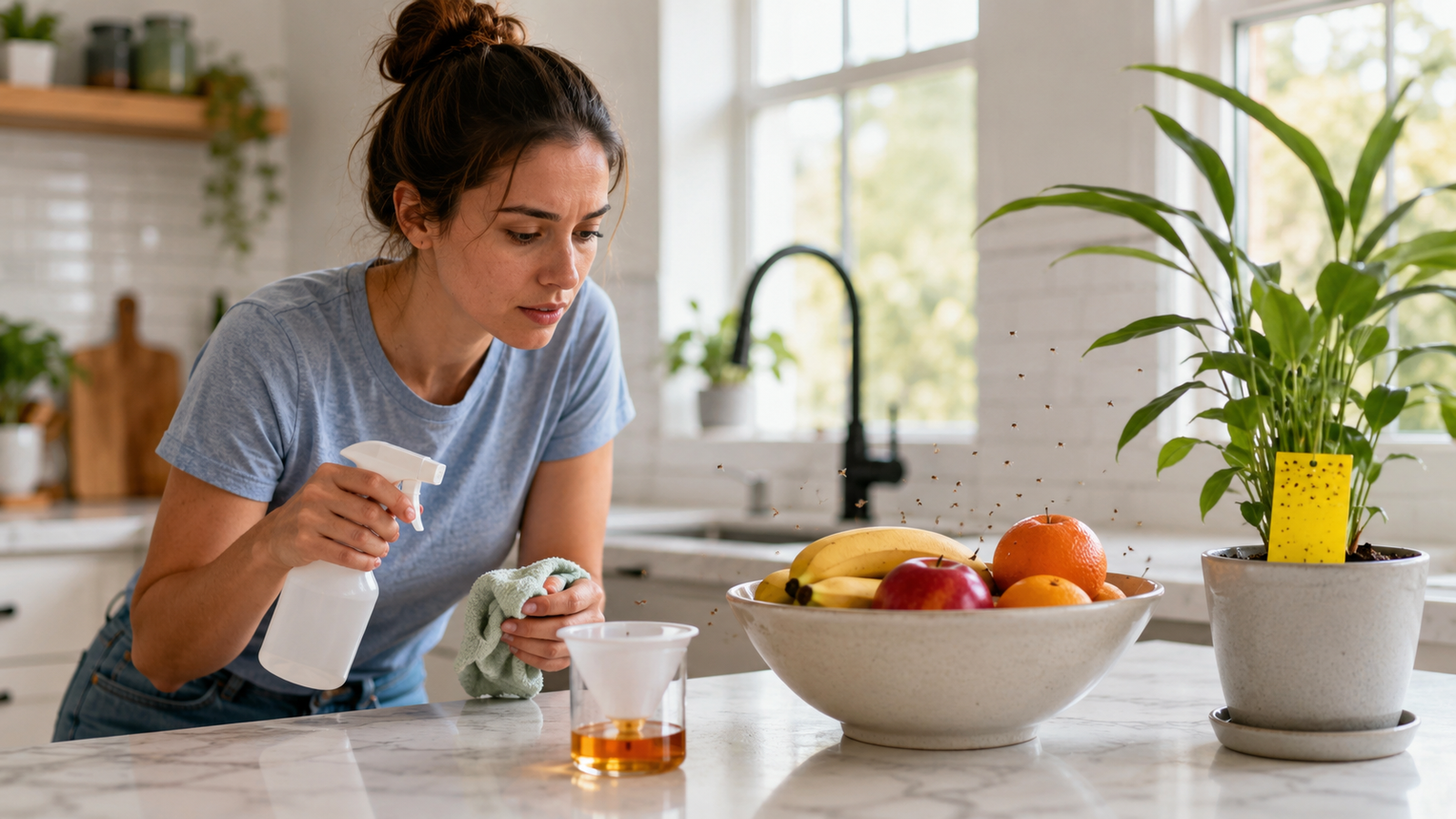
Gnats may be tiny insects, but they can quickly become a major annoyance when they invade your living space. If you’ve been searching for how to get rid of gnats in house, you’re not alone. These small flying pests often appear around kitchens, houseplants, drains, trash cans, and other damp areas where they can find food and moisture.
Many homeowners become frustrated because gnats seem to appear out of nowhere. The reality is that these insects reproduce quickly, making it important to address the source of the problem rather than simply swatting away the adults. Understanding starts with identifying what is attracting them in the first place.
The good news is that eliminating gnats does not always require expensive treatments or professional pest control. With the right combination of cleaning, prevention, and targeted solutions, most infestations can be controlled effectively. Learning gnats in house can help restore comfort and cleanliness to your home.
Understanding Why Gnats Appear Indoors
Before exploring how to get rid of gnats in house, it is important to understand why these pests enter homes. Gnats are typically attracted to moisture, decaying organic matter, and food sources. Kitchens and bathrooms often provide ideal conditions for their survival.
Houseplants are another common cause of indoor gnat problems. Overwatered soil creates a moist environment where fungus gnats can lay eggs and multiply rapidly. Many people researching discover that their indoor plants are a major source of the infestation.
Trash bins, fruit bowls, and clogged drains can also attract gnats. Identifying the exact source is one of the most important steps in learning effectively and permanently.
Identifying the Type of Gnats in Your Home
Not all gnats are the same. Understanding which type you are dealing with can make how to get rid of gnats in house much easier. Fungus gnats are commonly found near houseplants and moist soil.
Fruit flies are often mistaken for gnats because they are similar in size and appearance. They are attracted to overripe fruits, sugary substances, and food residue. People looking into should first determine whether they are dealing with fruit flies or true gnats.
Drain flies are another possibility. These insects breed in organic material that accumulates inside drains and pipes. Correct identification plays a key role in choosing the most effective approach for.
Remove the Sources That Attract Gnats
One of the most effective strategies for how to get rid of gnats in house is eliminating the conditions that attract them. Without access to food and breeding areas, gnat populations decline significantly.
Start by removing overripe fruits, cleaning food spills, and emptying trash containers regularly. Many homeowners notice immediate improvement when they address these basic sanitation issues while working on.
Inspect damp areas throughout your home as well. Moisture attracts gnats and encourages reproduction. Reducing excess moisture is often a critical step in mastering how to get rid of gnats in house successfully.
Managing Gnats Around Houseplants
Houseplants are one of the most common reasons people search for. Fungus gnats thrive in damp soil where they lay eggs and complete their life cycle.
Allowing the top layer of soil to dry between watering sessions can significantly reduce gnat activity. Since larvae require moist conditions, drying the soil disrupts their development. This simple adjustment often helps people solve how to get rid of gnats in house without additional treatments.
Removing dead leaves and plant debris also helps. Clean, well-maintained plants are less attractive to gnats and support long-term success when implementing strategies.
Using Homemade Gnat Traps
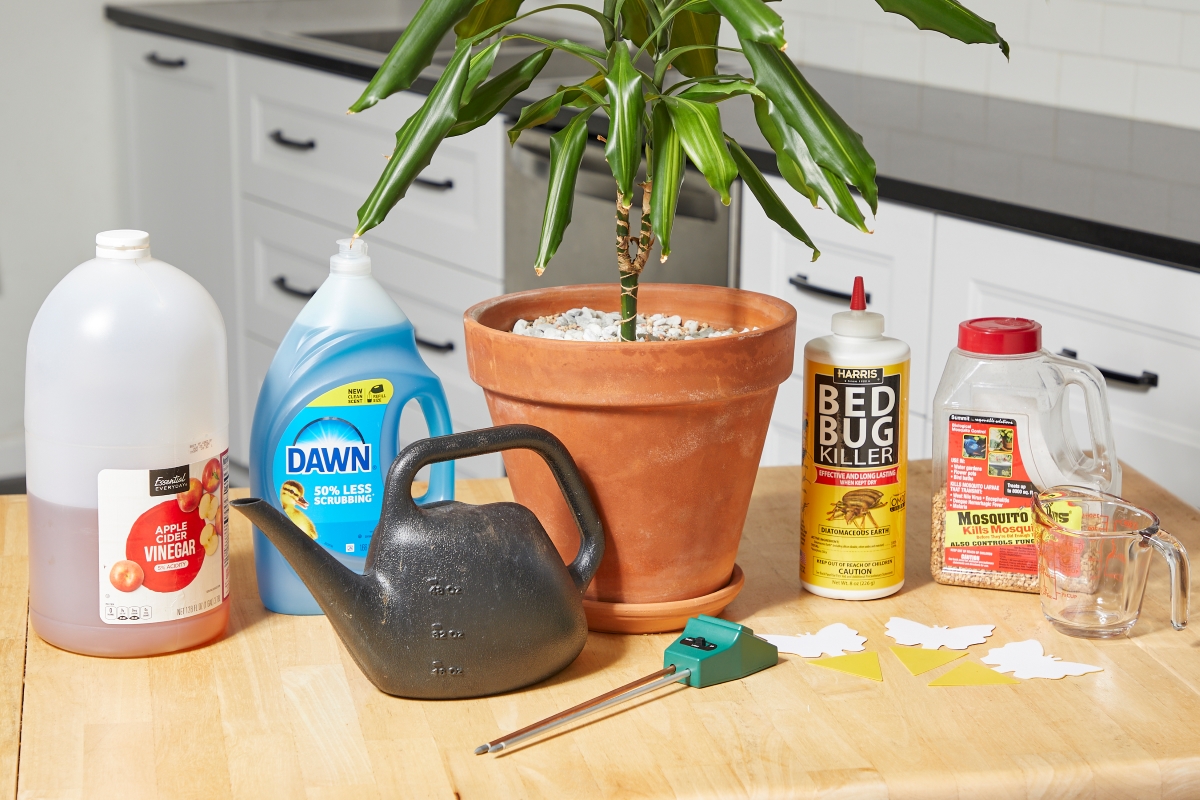
Homemade traps are popular among homeowners researching how to get rid of gnats in house because they are affordable and easy to create. One common method involves using apple cider vinegar in a small container.
The vinegar attracts gnats, while a small amount of dish soap breaks the surface tension, causing the insects to become trapped. Many people find this method useful when working on naturally.
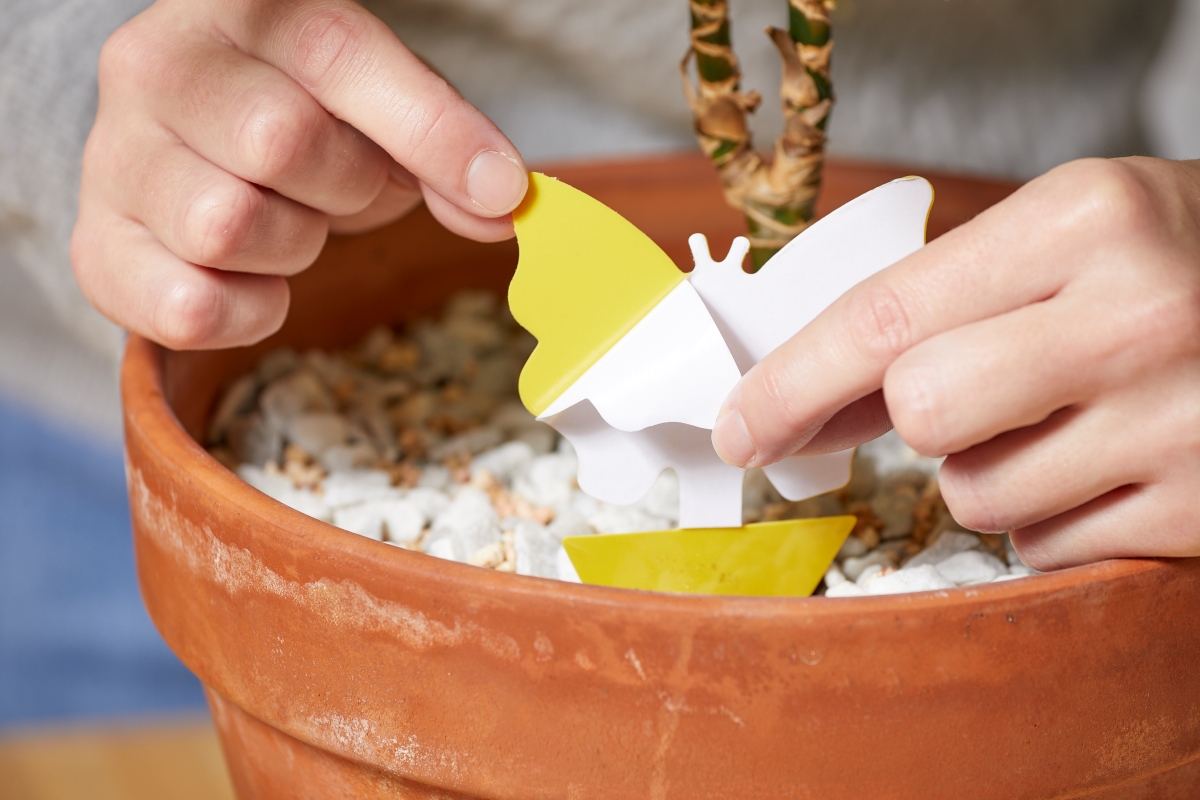
Sticky traps can also be effective. Placing yellow sticky cards near plants or problem areas helps capture adult gnats and reduce their population. These traps complement other methods used for how to get rid of gnats in house.
Cleaning Drains and Hidden Moisture Sources
Drains often become breeding grounds for insects due to the buildup of organic matter. Thorough drain cleaning is an important step in how to get rid of gnats in house, especially if the infestation seems concentrated in kitchens or bathrooms.
Use a brush and appropriate cleaning products to remove residue inside pipes. Simply pouring water down the drain may not eliminate the material where gnats reproduce. Proper cleaning supports long-term success in.
Hidden leaks should also be addressed. Excess moisture under sinks, behind appliances, or near plumbing fixtures can create favorable conditions for gnats. Moisture control remains a cornerstone of effectively.
Preventing Future Infestations
Prevention is just as important as elimination when discussing how to get rid of gnats in house. Once the current infestation is under control, taking preventive measures can help ensure the pests do not return.
Store fruits properly, dispose of garbage frequently, and maintain clean kitchen surfaces. These simple habits reduce the likelihood of attracting gnats and support ongoing efforts related to.
Regularly inspect houseplants and monitor moisture levels throughout the home. Consistent maintenance is often the best defense against future gnat problems and reinforces everything learned about how to get rid of gnats in house.
Common Mistakes People Make
One mistake people make when trying how to get rid of gnats in house is focusing only on the adult insects. Killing visible gnats may provide temporary relief, but it does not address the eggs and larvae responsible for future generations.
Another common error is overwatering houseplants. Even after seeing improvements, some homeowners unknowingly recreate ideal breeding conditions. Managing soil moisture remains essential when practicing.
Ignoring small infestations can also lead to larger problems. Taking action early is often the fastest and easiest way to succeed with how to get rid of gnats in house before populations grow significantly.
Natural Solutions Versus Chemical Treatments
Many homeowners prefer natural approaches when researching how to get rid of gnats in house. Cleaning, moisture control, vinegar traps, and sticky traps often provide excellent results without the need for harsh chemicals.
In severe infestations, some individuals may consider insecticides designed for indoor use. However, these products should be used carefully and according to label instructions. Chemical treatments should complement—not replace—the core principles of.
For most situations, combining sanitation, prevention, and natural control methods provides a safe and effective strategy. This balanced approach often delivers the best results when addressing how to get rid of gnats in house.
When to Consider Professional Help
Although most infestations can be managed independently, there are situations where professional assistance may be necessary. If repeated efforts fail, consulting a pest control expert can help identify hidden sources that may be overlooked.
Professionals have experience diagnosing complex infestations and can recommend targeted treatments. In challenging cases, expert guidance may be the final step in mastering how to get rid of gnats in house completely.
Persistent moisture issues, structural concerns, or extensive infestations may require specialized attention. Seeking help when needed can save time and frustration while resolving more efficiently.
Conclusion
Learning how to get rid of gnats in house begins with understanding what attracts these pests and where they are breeding. By eliminating food sources, reducing moisture, cleaning drains, and managing houseplants properly, homeowners can significantly reduce gnat populations.
The most successful approach to combines prevention with active treatment. Homemade traps, improved sanitation, and consistent maintenance all work together to create an environment that is less inviting to gnats.
With patience and attention to detail, most infestations can be resolved without major difficulty. By following proven methods and addressing the root causes, anyone can successfully learn how to get rid of gnats in house and enjoy a cleaner, more comfortable living space.
You May Also Read

