Paraffin wax is one of the most widely used wax products in the world, finding applications in industries ranging from cosmetics and healthcare to manufacturing and candle production. Despite being a common material, many people are unaware of just how versatile and useful it can be. Its unique properties make it a valuable ingredient in countless products that people use every day.
The popularity of comes from its affordability, stability, and ability to serve multiple purposes. Whether it is being used to create scented candles, moisturize skin, preserve products, or support industrial processes, this wax continues to play an important role across various sectors. Its adaptability has helped it remain relevant for decades.
Interest in has grown as consumers seek to better understand the materials used in household and commercial products. Learning about its composition, benefits, and practical applications provides valuable insight into why it remains such a widely used substance worldwide.
What Is Paraffin Wax?
Understanding paraffin wax begins with knowing what it actually is. Paraffin wax is a soft, colorless, and odorless substance that is commonly derived during the petroleum refining process. It consists primarily of hydrocarbon molecules and is known for its smooth texture and low reactivity.
One of the key characteristics of is its ability to melt at relatively low temperatures. This property makes it easy to shape, mold, and incorporate into various products. Once cooled, it solidifies into a stable and durable form that can maintain its structure under normal conditions.
The widespread use of is largely due to its versatility. Manufacturers appreciate its reliability, while consumers benefit from its presence in many everyday items that require consistency and performance.
The History of Paraffin Wax
The story of paraffin wax dates back to the nineteenth century when scientists began exploring more efficient ways to refine petroleum products. As refining technologies improved, paraffin wax emerged as a valuable byproduct with numerous commercial applications.
Before the widespread use of electricity, became especially important in candle manufacturing. It offered cleaner burning properties and greater efficiency compared to some traditional candle-making materials available at the time.
The historical development of demonstrates how industrial innovation can transform a byproduct into a globally important material used in countless industries.
Key Properties That Make It Valuable
Several physical characteristics contribute to the popularity of paraffin wax. One of the most important is its excellent moisture resistance. This property allows it to act as a protective coating for various products.
Another advantage of is its chemical stability. It does not react easily with many substances, making it suitable for applications that require durability and long shelf life.
Additionally, has good insulating properties. This makes it useful in specialized industrial applications where controlling heat or protecting materials is important.
Paraffin Wax in Candle Manufacturing
One of the most recognizable uses of paraffin wax is candle production. Many candles sold worldwide are made primarily from this material because it burns efficiently and holds fragrance well.
Manufacturers often prefer because it can be easily blended with dyes and scents. This flexibility allows for the creation of candles in a wide variety of colors, shapes, and fragrances.
The continued use of in candle making reflects its effectiveness, affordability, and ability to meet consumer expectations for quality products.
Benefits of Paraffin Wax for Skin Care

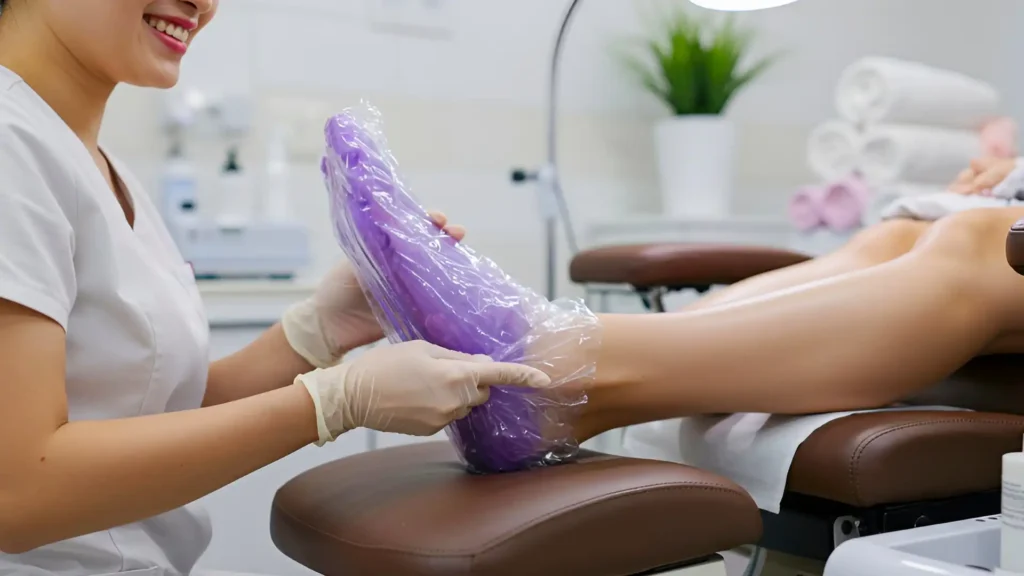
The beauty and wellness industries frequently utilize paraffin wax in various treatments designed to improve skin softness and hydration. Warm wax treatments are commonly offered in spas and salons.
When applied correctly, paraffin wax can help trap moisture in the skin. This process may leave hands, feet, and other areas feeling smoother and more comfortable after treatment.
The popularity of in personal care settings highlights its ability to provide both comfort and cosmetic benefits for many users.
Medical and Therapeutic Applications
Healthcare professionals sometimes use paraffin wax in therapeutic settings, particularly when addressing joint stiffness or discomfort. Warm wax treatments can provide soothing heat that promotes relaxation.
Physical therapy clinics may incorporate treatments into rehabilitation programs. The heat generated by the wax can help improve comfort and flexibility during certain therapeutic exercises.
The medical applications of paraffin wax demonstrate how a simple material can serve practical purposes beyond industrial manufacturing and consumer products.
Industrial Uses of Paraffin Wax
The industrial sector relies heavily on paraffin wax for numerous applications. Manufacturers use it in packaging, coatings, lubricants, and various production processes that require moisture resistance or protective barriers.
Many industries appreciate because it can enhance product durability while remaining relatively cost-effective. Its consistency and reliability make it suitable for large-scale manufacturing operations.
The extensive industrial use of illustrates its importance as a versatile material that supports modern production systems.
Paraffin Wax in Food Packaging
Food packaging represents another significant area where paraffin wax is commonly used. Certain packaging materials may contain wax coatings that help preserve freshness and protect products from moisture.
The protective qualities of can contribute to improved storage conditions for specific foods and packaging materials. This helps reduce spoilage and maintain product quality.
The role of paraffin wax in packaging demonstrates how material science contributes to food preservation and distribution efficiency.
Advantages of Using Paraffin Wax
There are several reasons why paraffin wax remains a popular choice across multiple industries. One major advantage is its affordability. Manufacturers can obtain and process it efficiently, making it economically attractive.
Another benefit of is its versatility. Few materials can serve as effectively in products ranging from candles and cosmetics to industrial coatings and therapeutic treatments.
The continued demand for reflects the combination of performance, accessibility, and adaptability that it offers.
Common Concerns and Misconceptions
Like many widely used materials, paraffin wax is sometimes surrounded by misconceptions. Some consumers may encounter conflicting information regarding its safety or environmental impact.
Understanding the facts about requires examining how it is used, processed, and regulated within different industries. Most applications involve carefully controlled manufacturing standards designed to ensure product quality.
The discussion surrounding highlights the importance of relying on accurate information rather than assumptions when evaluating commonly used materials.
How Paraffin Wax Compares to Other Waxes
Consumers often compare paraffin wax with alternatives such as soy wax, beeswax, and other plant-based options. Each type of wax offers distinct characteristics and advantages depending on the intended application.
While some alternatives appeal to specific consumer preferences, remains highly valued for its consistent performance, affordability, and widespread availability.
The ability of paraffin wax to compete with newer alternatives demonstrates its enduring practicality and effectiveness in various industries.
The Future of Paraffin Wax
The future of paraffin wax remains promising despite evolving consumer preferences and technological advancements. Manufacturers continue to find new ways to improve production methods and expand applications.
Research into innovative uses for may lead to additional opportunities across healthcare, manufacturing, and consumer goods sectors. Its versatility ensures ongoing relevance in many fields.
As industries evolve, paraffin wax is likely to remain an important material due to its established performance and broad range of practical applications.
Conclusion
Paraffin wax has earned its place as one of the most versatile and widely used materials in modern society. From candle manufacturing and skincare treatments to industrial production and food packaging, its applications are remarkably diverse.
The continued popularity of can be attributed to its affordability, stability, and adaptability. These qualities have allowed it to remain relevant across multiple industries for generations.
As consumers and businesses continue exploring practical materials that offer reliability and efficiency, paraffin wax will likely remain an essential component in countless products and processes. Its long history of successful use demonstrates why it continues to be trusted by manufacturers, professionals, and consumers around the world.
You May Also Read